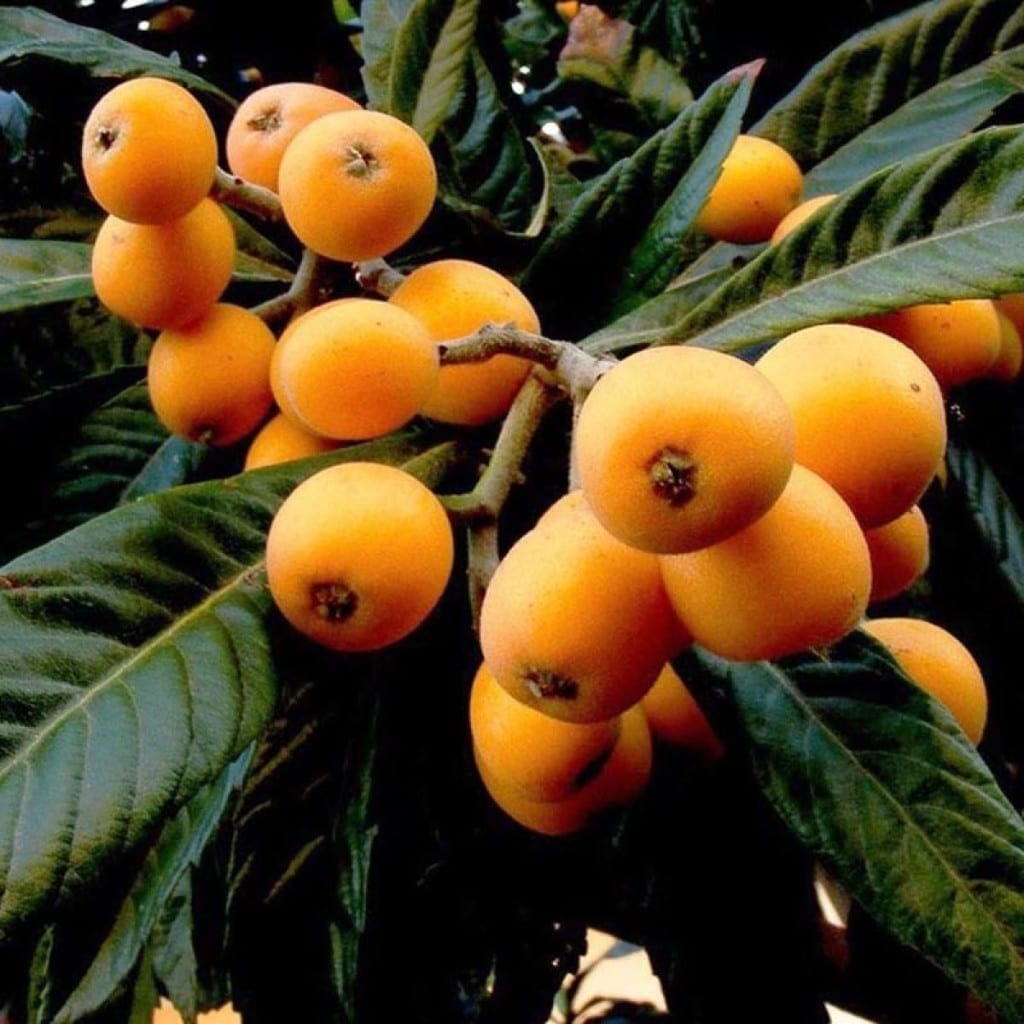
Loquat trees are fruiting across Batumi as late spring turns into early summer, offering a sweet-tart seasonal snack when many other local fruits are still weeks away.
The Japanese loquat is an evergreen subtropical species native to East Asia. Clusters of small orange-yellow fruit ripen on the tree from May into June along Georgia’s Black Sea coast, where mild winters and humid air suit the crop. The flesh is juicy and aromatic, with a balance of sugar and acidity that locals often eat fresh or use in jams and compotes.
Botanical Garden heritage
Some of Batumi’s most visible loquats grow at the Batumi Botanical Garden, where the species has been cultivated since 1913. The garden’s collection reflects early 20th-century efforts to introduce ornamental and fruit-bearing plants to Adjara’s humid subtropical climate. Today, visitors walking the upper terraces can spot mature trees laden with fruit during the brief harvest window.
Loquats are valued for more than flavour. The fruit is rich in vitamins and minerals such as potassium, iron, magnesium and calcium. In seasonal terms they fill a gap before cherries, apricots and early berries arrive in larger quantities at markets and roadside stalls.
Where to spot them now
Beyond the botanical garden, loquat trees are common in Batumi’s private yards, hotel grounds and street-side plantings. Ripe fruit is often picked by hand from lower branches; higher clusters may stay on the tree until they drop. Because the season is short — typically a few weeks — residents treat fresh loquats as a local treat rather than a year-round staple.
For visitors and newcomers, the fruit is easy to recognise: oval, slightly fuzzy skin, pale orange colour and a small cluster of two to five fruits per stem. Taste varies by tree and ripeness, from honey-sweet to noticeably tart. If you see them at a market or on a neighbour’s tree, late May and June are the months to try them in Batumi.