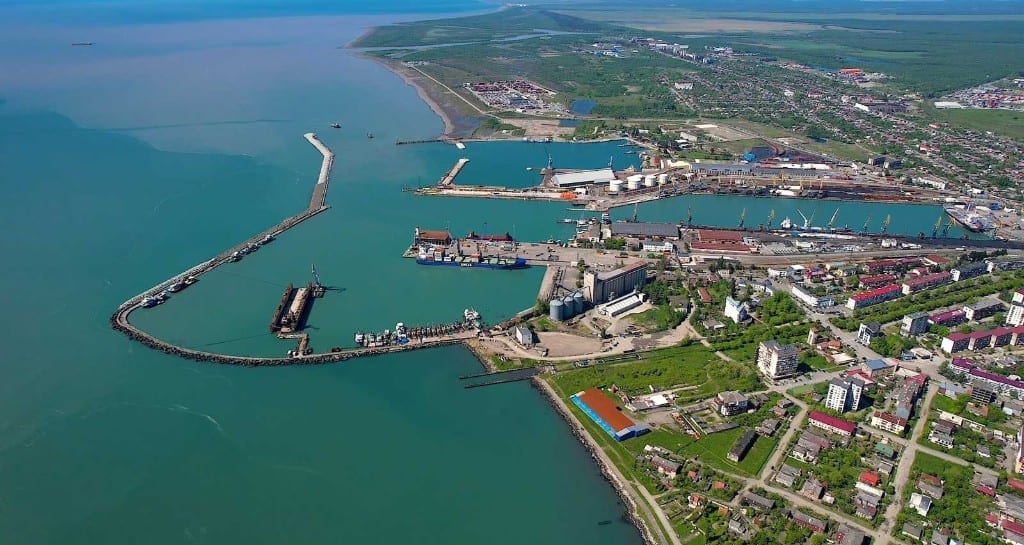
The US International Development Finance Corporation has signed a $25 million loan agreement to expand infrastructure at Poti port on Georgia's Black Sea coast.
The financing will help complete a second berth and construct a dedicated dry bulk terminal at the facility, which already handles containers, general cargo and bulk commodities for trade across the region.
What the project includes
Poti is Georgia's largest port by throughput and a key link in east–west logistics corridors connecting Central Asia and the Caucasus to European and Mediterranean markets. The expansion focuses on physical capacity rather than a change of operator.
Under the agreed plan, the new berth will allow more vessels to load and unload at the same time, while the dry bulk terminal will improve handling of commodities such as grain, minerals and other non-containerised freight. Officials expect the upgrades to add roughly 1 million tons of annual handling capacity once work is finished.
Why Poti matters for trade
Georgia has promoted its ports as alternatives to longer northern routes, particularly for landlocked neighbours that rely on Georgian transit corridors. Poti sits at the mouth of the Rioni River and is connected by rail and road to Tbilisi and inland hubs.
Stronger port capacity supports exporters and importers who depend on predictable turnaround times and competitive tariffs. For the wider economy, logistics performance affects everything from agricultural exports to construction materials and energy-related shipments.
US backing and timing
The agency, a US government development finance institution, provides loans and guarantees for projects that support economic growth in partner countries. The Poti deal fits a pattern of US interest in Caucasus connectivity and trade infrastructure that bypasses closed or congested routes.
Construction timelines and contractor details have not been fully disclosed in initial announcements. Port operators and government agencies will need to coordinate environmental assessments, dredging where required, and integration with existing terminal systems before the new capacity comes online.
If delivered on schedule, the expansion would strengthen Poti's role as a Black Sea gateway at a time when regional shippers are weighing port options along the eastern Mediterranean and Black Sea rim.