Georgia is preparing to launch tokenization of real estate assets, a digital finance model that would let expensive properties be divided into affordable shares for small investors.
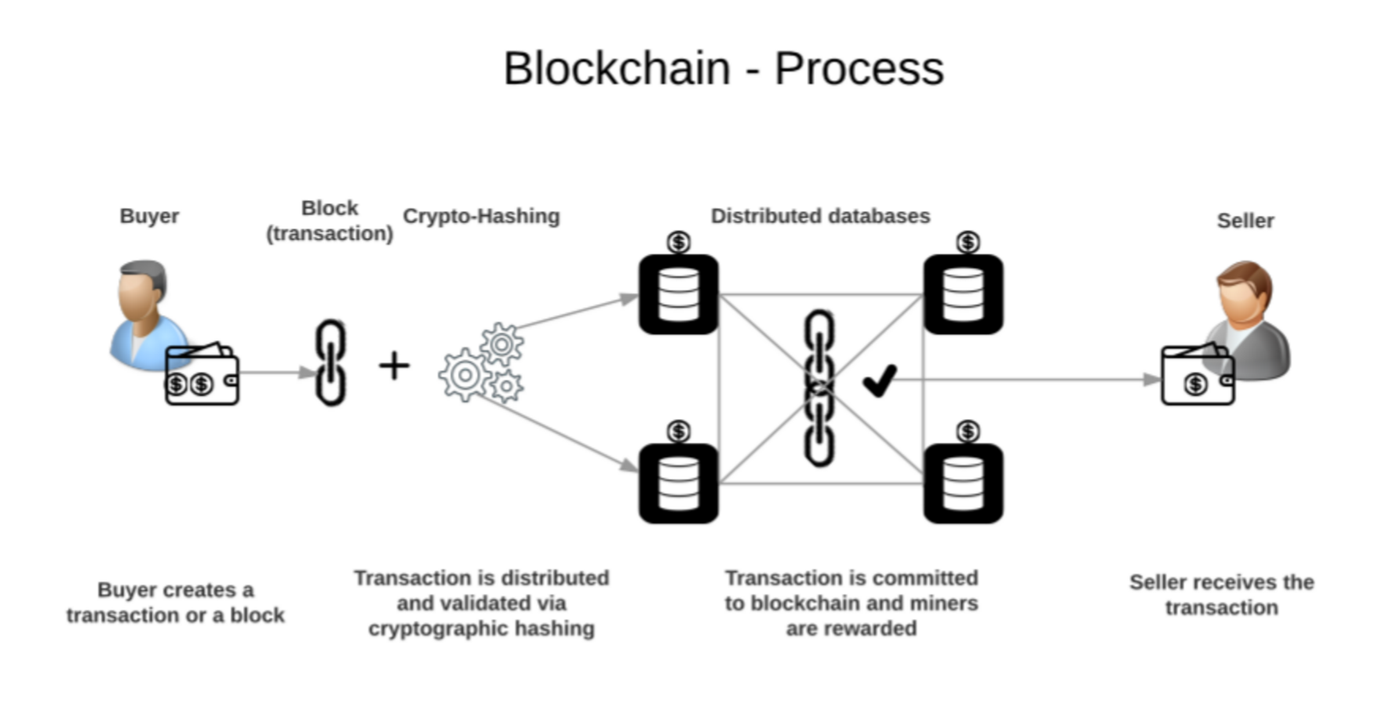
Under the approach being discussed, apartments, hotel rooms, commercial units, and other assets could be represented as digital tokens on a blockchain. Buyers would hold fractions of a property rather than full title, similar to owning shares in a company, and could potentially earn from rental income or from gains if the asset rises in value.
How fractional ownership would work
Tokenization does not replace traditional land registries. In most international models, a legal entity — often a special-purpose company — holds title to the building while tokens represent an economic interest in that entity. Transfers, investor checks, and payout rules are typically enforced through smart contracts and securities-style regulation.
For Georgia, officials and market participants have framed the idea as a way to lower entry barriers for both local and foreign buyers who cannot afford whole apartments or commercial floors in Tbilisi, Batumi, and other active markets. Developers, in turn, could tap a broader pool of capital while marketing smaller ticket sizes.
Proponents say the model could make Georgian real estate more liquid and visible to global investors. Critics and regulators elsewhere have stressed that token holders need the same clarity on ownership, disclosure, and dispute resolution that conventional buyers receive on paper.
Funding, access, and investor protection
For property developers, tokenization offers an alternative to bank loans or single large equity partners. A hotel project, for example, could raise part of its financing by selling tokenized shares to many small investors rather than relying on one institutional backer.
For retail investors, the appeal is fractional access without the cost and complexity of buying an entire unit. Rental income or resale proceeds would be distributed according to the rules set when the tokens are issued.
Success will depend heavily on clear laws that define what a token represents, how it is traded, and how owners are protected if a project fails or a platform closes. Georgia has expanded digital-asset rules in recent years, but real estate tokenization would need alignment with property law, securities oversight, and anti-money-laundering standards.
What comes next
Authorities have not yet published a full launch timetable or a list of pilot projects. Industry observers expect any rollout to start with a narrow set of licensed platforms and asset types so regulators can test custody, disclosure, and secondary trading rules.
If implemented with robust investor safeguards, tokenization could add a new channel for capital in Georgia's property market. For now, the initiative remains in the preparation phase, with legal clarity seen as the main condition for wider adoption.