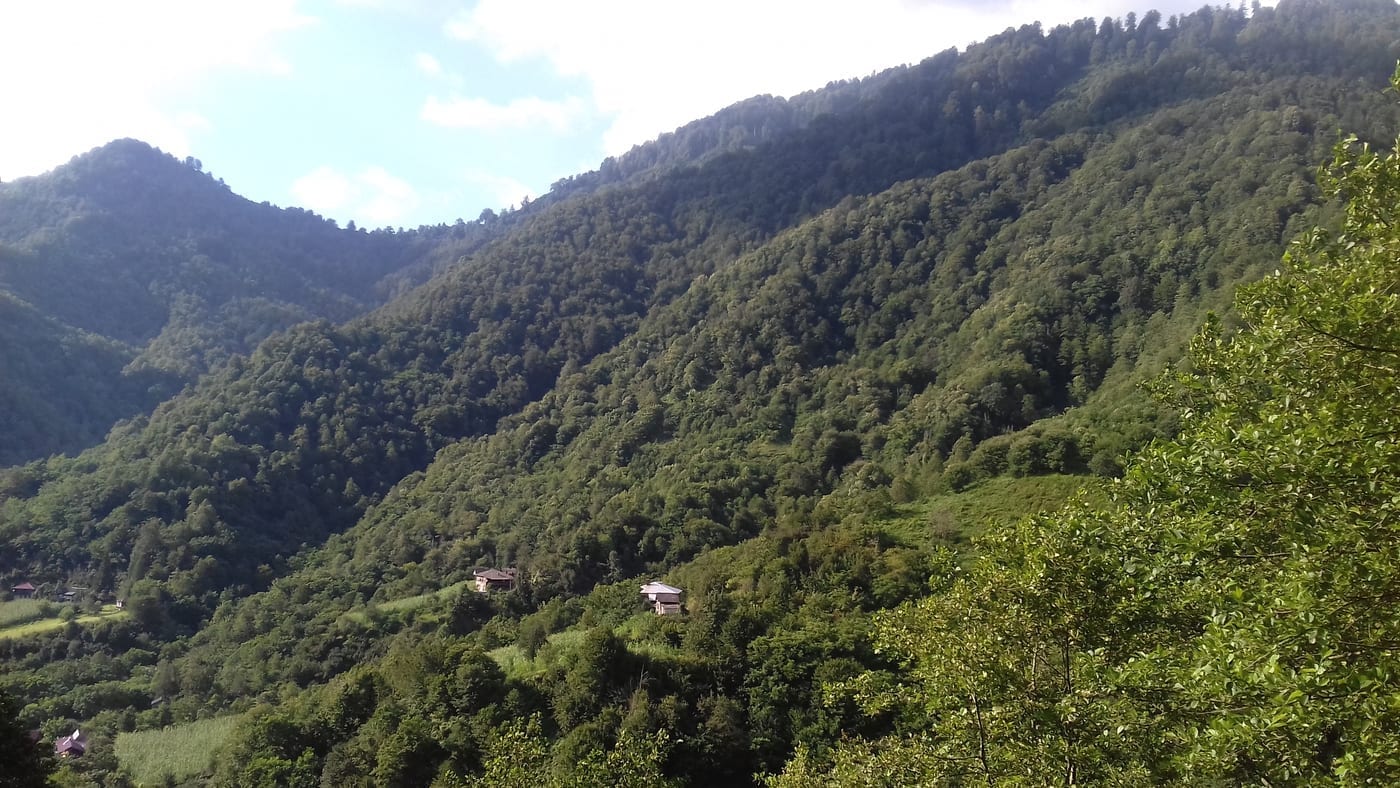
Mtirala National Park sits in the hills above Georgia's Black Sea coast, where Adjara's humid air meets the Lesser Caucasus. The reserve protects one of the country's last large tracts of Colchic rainforest — a green, dripping landscape that feels closer to the tropics than to the dry steppe east of the mountains.
The park's Georgian name means "crying", a reference to rainfall that ranks among the highest in the region. Moist air from the sea rises over the slopes, feeding ferns, moss, beech, chestnut and hornbeam under a canopy that stays thick for much of the year. In summer the forest is cool and shaded; in autumn mist often hangs in the valleys.
What visitors see
Marked trails lead through old-growth woodland to viewpoints and waterfalls, including routes near the Chakvistavi area that park authorities promote for hiking. A visitor centre and seasonal facilities support day trips; a zipline and observation platforms add options for families and adventure travellers who want to see the canopy from above.
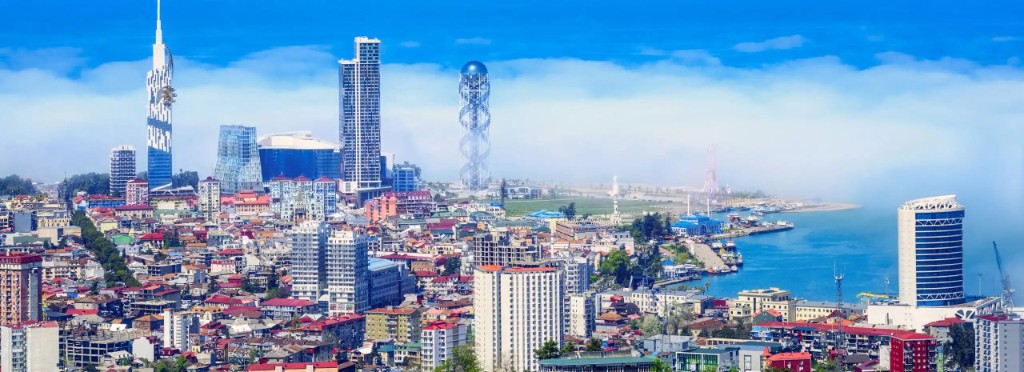
Wildlife in the park includes brown bear, roe deer, wild boar and a wide range of birds — though most visitors encounter the forest through sound and scenery rather than close animal sightings. The combination of water, altitude and shade makes Mtirala a contrast to Batumi's beaches just a short drive away.
Planning a trip
Mtirala lies inland from Kobuleti and is reachable by car from Batumi in roughly an hour, depending on the trailhead. Sturdy footwear, a rain layer and insect repellent are sensible even on sunny days, when showers can still appear quickly. Winter paths can be muddy; late spring through early autumn is the most popular window for hiking.
For residents and tourists already on the Adjara coast, the park offers a half-day or full-day escape into one of Georgia's most distinctive climates — a reminder that the country's biodiversity is not limited to wine country and mountain passes, but extends to rainforest at the edge of Europe.