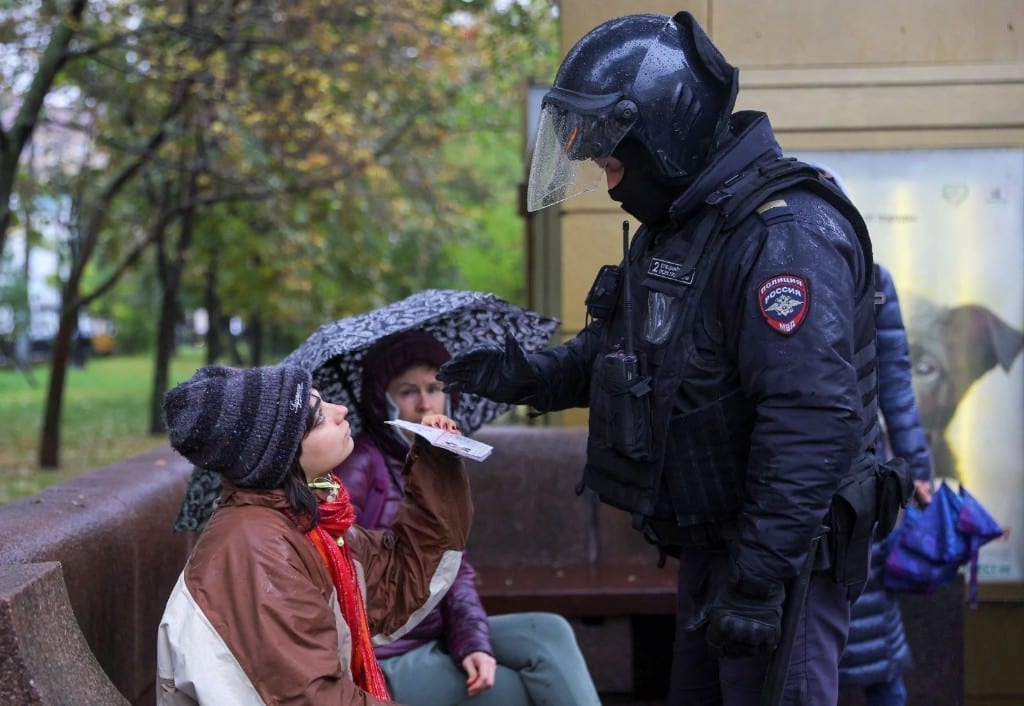
Russia’s State Duma has adopted legislation that permits property confiscation from citizens who live outside the country when authorities classify their conduct as harmful to Russia’s interests, including public criticism of the armed forces or remarks about the Special Military Operation made from abroad.
The measure extends a tightening pattern in Russian criminal and administrative law since 2022. Officials have framed it as a tool to respond to hostile activity by emigrants; legal specialists note the text leaves broad discretion to courts over what qualifies as an offense and which assets may be targeted.
What the legislation covers
Under the new framework, prosecutors can seek court orders to seize real estate, vehicles, bank accounts and other registered assets linked to Russian nationals who remain citizens while residing overseas. The law references existing provisions on discrediting the army and on actions that authorities say undermine national security.
Reports from the Duma session indicate that lawmakers cited social-media posts, interviews and fundraising abroad that they said insulted participants in the Special Military Operation or spread false information about the military. Critics counter that the wording is broad enough to cover political speech protected elsewhere, though domestic assets — apartments in Moscow or St Petersburg, dachas, or business stakes still registered to a passport holder — are the most immediate concern.
Why Georgia matters
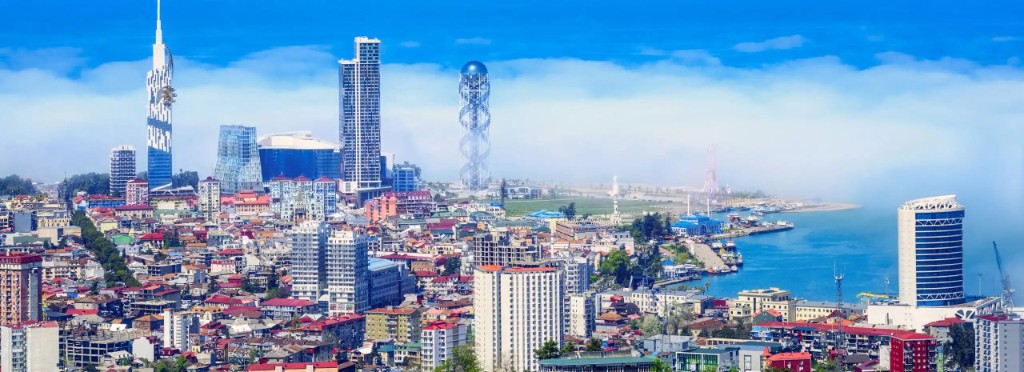
Georgia has become one of the main destinations for Russian relocators since 2022. Tbilisi, Batumi and other cities host a visible community who maintain Russian citizenship while renting or buying locally. Many still own property in Russia, hold rouble accounts, or appear as shareholders in companies registered at home.
For that group, the law does not change Georgia’s own immigration rules or property rights on Georgian territory. The new Russian statute instead creates exposure in Russia for people who keep a passport and assets there while living in Georgia — adding loss of assets to fines, entry bans and criminal cases opened in absentia in some circumstances.
How enforcement may work
Russian procedural law generally requires a court decision before assets are seized, though investigators can impose interim restrictions during a case. If a court finds that overseas statements or donations meet the threshold, enforcement would begin with property recorded in Russian registries — blocked apartment sales, frozen bank accounts, or targeted shares in domestic firms.
Foreign legal systems, including Georgia’s, are not obliged to enforce Russian penal judgments automatically. That limits direct reach into homes or bank accounts in Batumi or Tbilisi, but it does not shield assets that remain under Russian jurisdiction. The vote fits a wider legislative agenda since 2022 that has expanded penalties for military-related speech and scrutiny of transfers from abroad.
Implications for residents in Batumi and elsewhere
Batumi’s tourism economy and multilingual rental market make it a practical base for people who work online or split time between countries. The new law does not require Georgian institutions to share data with Moscow, but it increases the risk profile for anyone who combines Russian citizenship with visible criticism from Georgia-based social accounts or media appearances.
Tax and property specialists caution that renunciation of citizenship or liquidation of Russian assets are personal legal decisions with their own deadlines. Georgia’s migration rules and Russian criminal exposure operate independently even when headlines link them politically.
What remains unclear
Several details will depend on implementing regulations and early court cases — including how authorities will prove a post originated from abroad and whether enforcement will focus on high-profile critics or apply more widely. For now, the statute signals that emigration alone may not insulate citizens from consequences at home if they retain property or financial links, while Georgia continues to host Russian-speaking residents under its own rules.