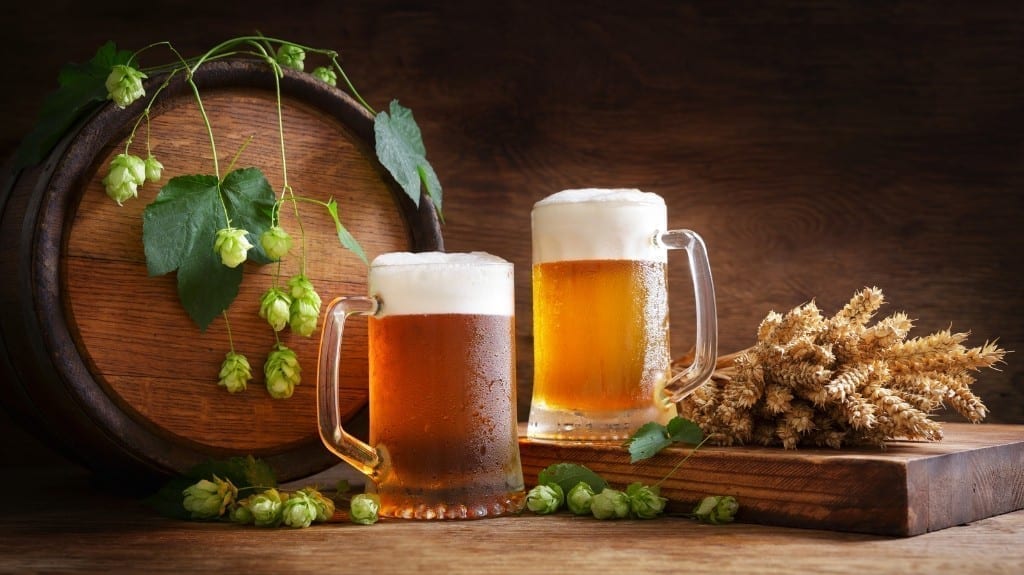
Georgia's Parliament is moving to put brewing heritage on the same policy agenda as the country's celebrated wine traditions. The Agriculture Committee plans to establish a working group to preserve and develop Georgian brewing practices, including mountain beer, in cooperation with the National Academy of Sciences.
Committee members say the group will gather historical, agricultural and technical material on traditional brewing methods used in highland communities and elsewhere in the country. Its mandate is to produce recommendations that lawmakers and ministries can use when shaping support for small producers, research and cultural preservation. Organisers expect the group's formation to be approved on 29 May.
A model from qvevri wine
The initiative follows a pattern Parliament has used for qvevri wine, the ancient Georgian method of fermenting wine in large clay vessels buried in the ground. Earlier parliamentary working groups and academy-backed studies helped document production techniques, regional varieties and the economic role of family cellars. That work fed into wider recognition of qvevri winemaking as part of Georgia's intangible cultural heritage and supported export branding around traditional methods.
Supporters of the brewing study argue that beer deserves similar attention. While Georgian wine dominates international marketing, local brewing — especially in mountain areas — has often been treated as a folk practice rather than a sector with its own history, ingredients and regional identity. Proponents say a structured review could clarify which traditions are still alive, which are at risk and what kind of state or academic support would be appropriate.
What the group may examine
The working group is expected to look at several overlapping questions. Researchers may map where traditional beer is still brewed, what grains or other raw materials are used, and how recipes differ between highland villages and lowland towns. They may also review how brewing fits into seasonal agriculture, local festivals and household economies in rural Georgia.
Another likely focus is quality and safety standards for small-scale production. Unlike large commercial breweries, many traditional brewers work in informal or semi-formal settings. A parliamentary-backed study could propose guidelines that protect consumers while allowing artisan methods to continue. The National Academy of Sciences would bring archaeological, ethnographic and laboratory expertise to questions that span centuries of practice and modern food regulation.
Why it matters for residents and visitors
For expats and tourists already drawn to Georgia's wine routes and supra culture, a clearer official framework around brewing could add another layer to the country's food-and-drink story. Mountain communities that maintain beer traditions could gain visibility in domestic tourism and in research funding, similar to how wine regions have benefited from coordinated promotion.
The effort also reflects a broader parliamentary interest in agricultural heritage as an economic and cultural asset. Georgia's identity abroad is closely tied to wine, cheese, bread and communal feasting; supporters say beer belongs in that conversation. Whether the working group leads to new labels, festivals, export programmes or mainly to archival documentation will depend on its findings and on how ministries respond once recommendations are submitted.
Committee officials have not yet published a full membership list or timetable beyond the expected 29 May approval. Observers will watch whether the group's output resembles the detailed roadmaps produced for qvevri wine, and whether mountain beer and other regional styles receive equal weight in the final report.