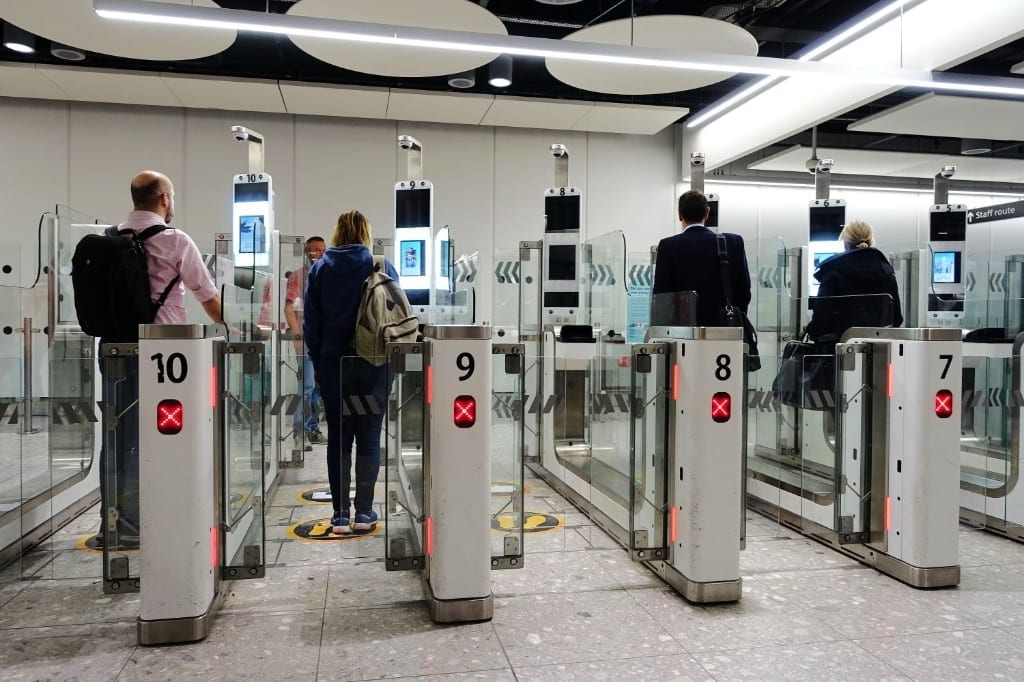
Amendments to Georgia's immigration framework formalize a two-track data infrastructure for foreigners. The changes define what information the state may collect, which agencies hold it, and how separate records are kept for people in lawful status and those without a legal basis to remain.
First registry: General foreigners registry
Under the first registry, the relevant agency may create a unified registry of foreigners covering legal status data, including biometrics. Rules on how that information is processed and shared with other state bodies will be set in a government ordinance. The scope is broad: it is intended as a central reference for foreigners' permitted stay and identity-related records rather than a single-purpose list.
Second registry: People without legal basis
A separate database, administered by the Ministry of Internal Affairs, will track foreigners who are or were in Georgia without a lawful basis. Data gathered during deportation proceedings goes into this registry and is not public. The system also covers foreigners subject to deportation or entry bans on specified grounds, and those whose cases are reviewed under particular provisions of the law.
Impact for residents and foreign visitors
The split underscores that immigration compliance is formally recorded. Legal status, biometric data, and enforcement history can be linked across agencies under the rules yet to be published. For anyone living or working in Georgia, keeping residence permits current and meeting deadlines matters: the infrastructure is being built to retain that history in official registries.