In Adjara's green hills above the Black Sea, rain is not an interruption — it is the landscape's signature. Local guides and older villagers still speak of Mtirala's tears: water that seems to weep from rock, moss and canopy as if the mountain itself were grieving. The name of Mtirala National Park literally means "the crying one" in Georgian, and that single word has carried folklore, tourism marketing and climate science for decades.
The phrase "tears of Mtirala" is not a single authorised legend written down by a chronicler. It is a living nickname — a way of explaining why one of Europe's wettest temperate rainforests feels permanently damp, even when the coast at Batumi is bright with summer sun.
A name that sounds like mourning
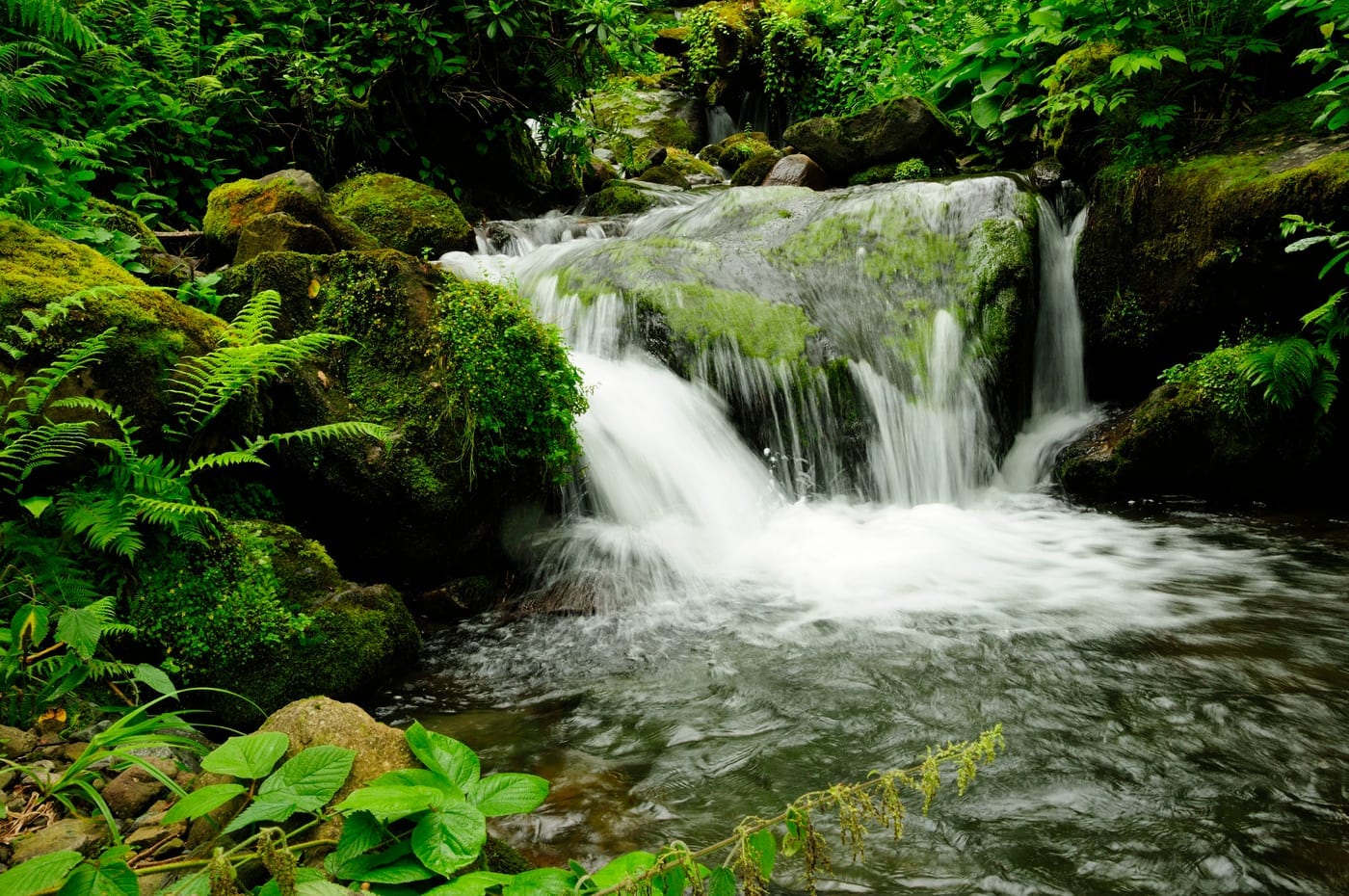
Georgian mtirali / mtirala evokes crying or weeping. For travellers arriving from Batumi or Kobuleti, the label feels immediate: ferns drip, paths turn to mud within minutes of a shower, and thin waterfalls thread the slopes like silver strands. Storytellers lean into that emotion. In one widely repeated village telling, the mountain weeps for a lost love — a maiden or a mountain spirit whose sorrow never dries. In another, the tears belong to the forest itself, mourning the heat and dryness that rule the rest of the Caucasus beyond the coastal range.
Scholars of Caucasian oral tradition treat these accounts as folklore, not documentary history. There is no single court manuscript that "proves" a tragic heroine named the park. What the stories do prove is how people make meaning from weather: when rain falls almost every other day in peak seasons, metaphor arrives before meteorology.
That gap between myth and measurement is exactly why the phrase endures. Visitors want a story; the forest delivers both narrative and drizzle.
What science says the tears really are
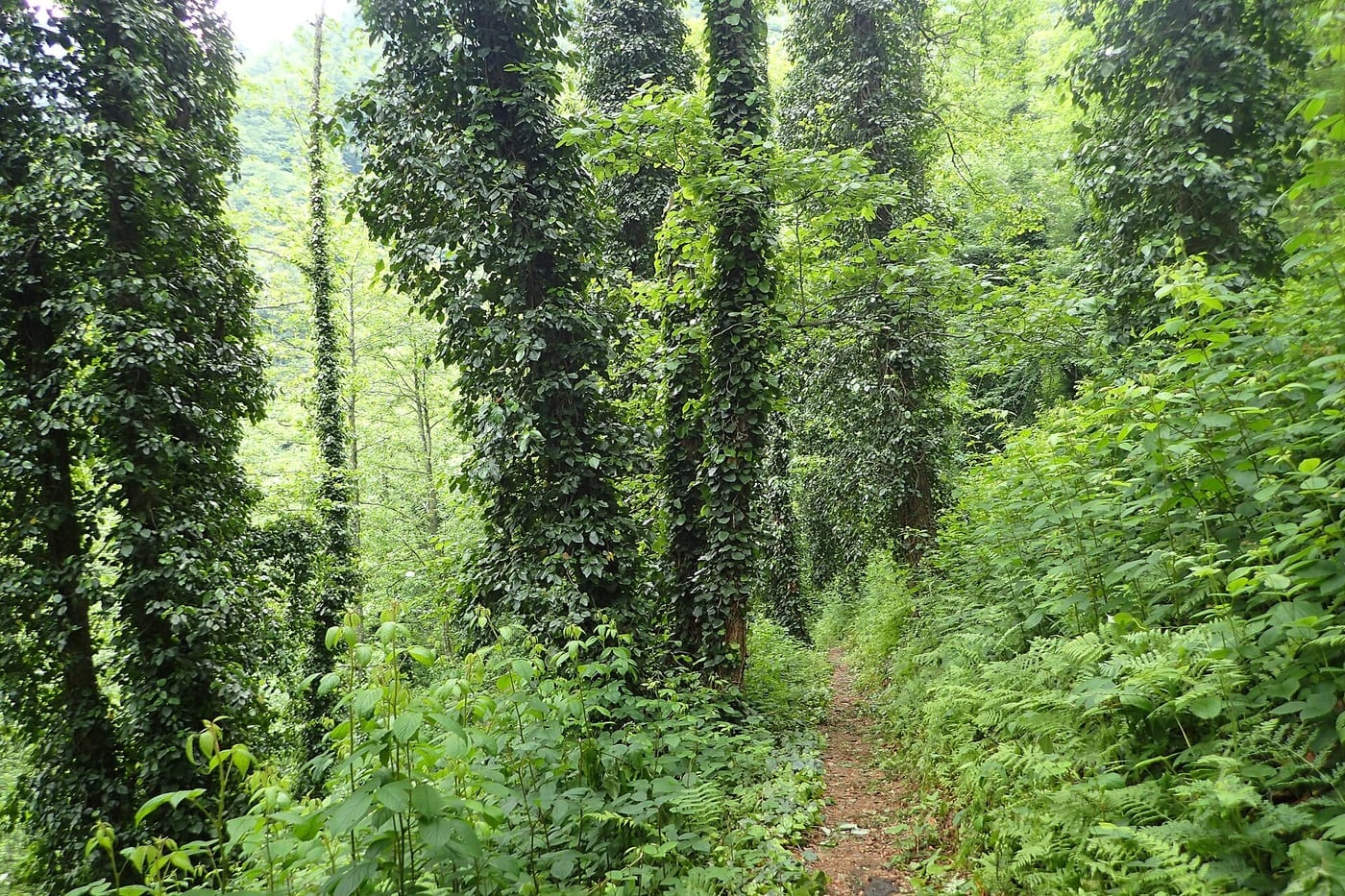
Strip away the romance and the "tears" are orographic rain. Moist Black Sea air is forced up the Adjara foothills of the Lesser Caucasus. As the air rises, it cools, condenses and releases water — again and again — over the same slopes. The result is a Colchic rainforest: beech, chestnut, hornbeam, evergreen understorey, and a carpet of moss that holds humidity like a sponge.
Annual precipitation in parts of the Mtirala massif ranks among the highest recorded in Georgia. Guides often warn day-trippers that a clear morning on the boulevard is no guarantee of dry boots an hour inland. Mist pools in the valleys; leaf litter stays dark; the sound of running water is constant even when the sky looks only lightly grey.
None of that cancels the folklore. In Adjara, as elsewhere in the Caucasus, scientific and poetic explanations sit side by side. Park staff talk about trail conditions and rainfall patterns; grandparents still say the mountain is crying. Both descriptions point at the same wet reality.
How the myth meets the trail
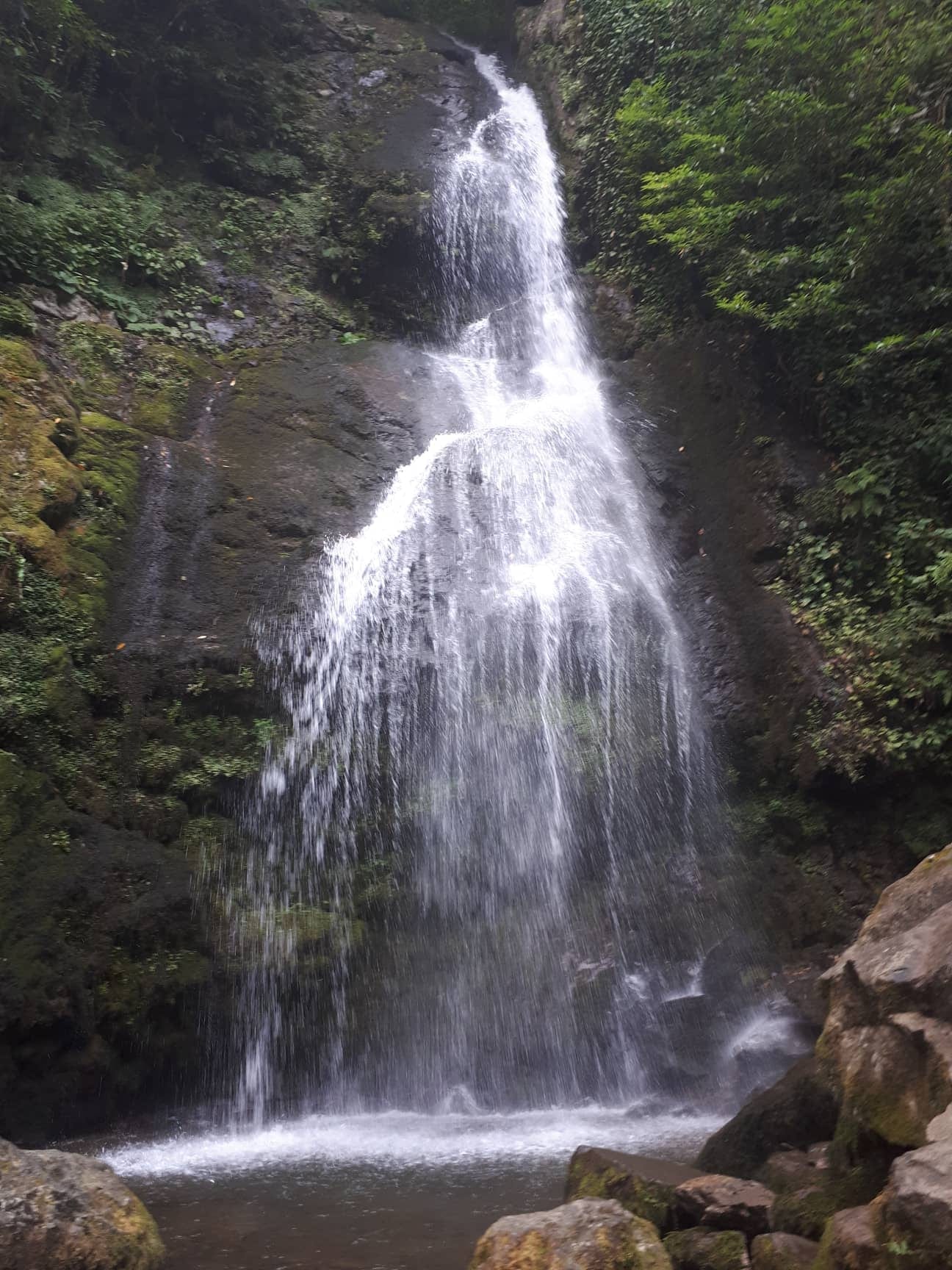
For most visitors, the "tears" appear first as practical details. Boardwalks and marked paths near the Chakvistavi side of the park lead toward viewpoints and cascades. Water sheets over stone after storms; smaller falls keep going through quieter weeks. Photographers chase the soft light under cloud — the same light that makes the forest look older than the hotels on the coast.
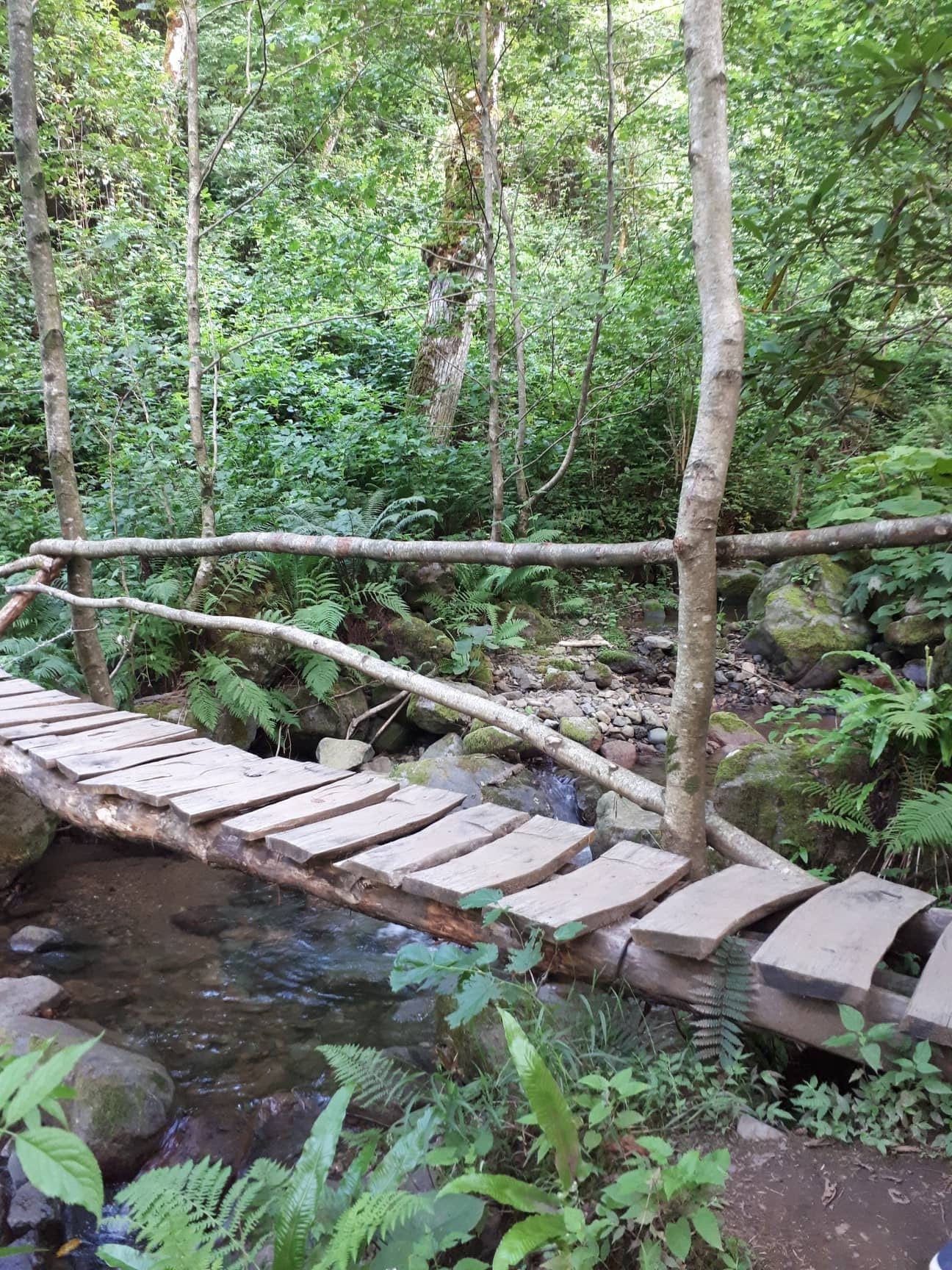
Adventure infrastructure — canopy walks, a zipline in season, observation platforms — has made the reserve easier for families who once would have stayed on the beach. Yet the emotional pitch of the place has not changed. People still describe the outing as stepping into another climate: cooler air, denser green, and the sense that water is always nearby.
Wildlife adds to the atmosphere without needing a tragic backstory. Brown bear, roe deer and wild boar inhabit the wider area; birdsong fills the canopy. Most hikers never see large mammals up close. What they do see is moisture on every surface — the visual that keeps the weeping mountain metaphor alive. The same dampness that frustrates phone cameras is what keeps the Colchic understorey thick through summer heat that bakes the beaches below.
Separating legend from local pride
Calling the rain "tears" can sound melancholy to outsiders. Locals often hear it differently: as pride in abundance. Adjara's humidity feeds tea terraces historically, subtropical gardens around Batumi, and a tourism offer that sells more than sand. A crying mountain is also a fertile mountain. The myth softens what could otherwise be marketed only as "bring a raincoat."
Tour operators sometimes lean hard on the romance in English-language blurbs. That packaging is useful for social media, but it can flatten the place into a single fairy tale. A more accurate reading holds several layers at once: Georgian etymology, oral motifs of mourning and lost love, and a well-documented coastal climate engine. None of those layers cancels another.
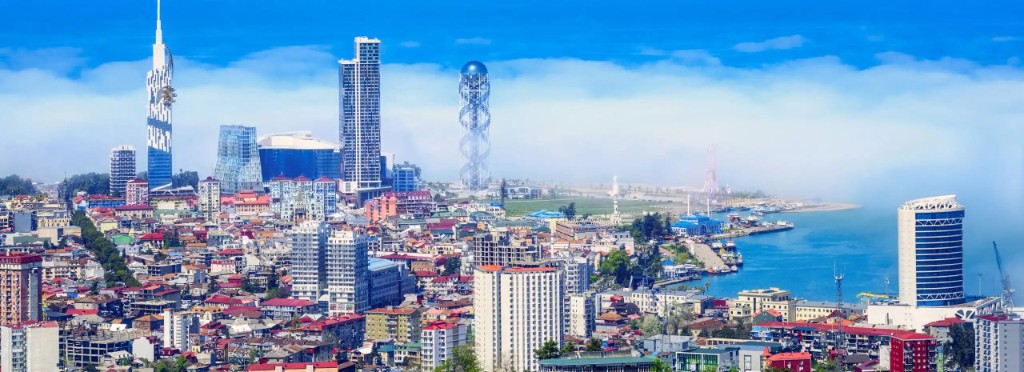
It also helps to remember scale. Mtirala is not a vast Amazonian wilderness; it is a foothill rainforest within day-trip range of a busy resort city. The intimacy is part of the charm — and part of why a personal-sounding myth fits so well. The mountain feels close enough to have a mood. That closeness is why Batumi-based travellers often treat the park as a half-day ritual rather than a remote expedition: leave the boulevard, climb into cloud, and return with wet shoes and a story.
Visiting without spoiling the story
Practical advice rarely belongs at the end of a legend piece, yet readers planning the drive from Batumi need it. Expect mud after rain. Wear shoes with grip. Pack a light shell even in July. Insect repellent helps in warm months. Check park notices for trail status after heavy downpours, when small streams swell and boardwalks can be slick.
Late spring through early autumn remains the busiest window; winter is quieter and wetter underfoot. The visitor centre and seasonal facilities make a half-day loop realistic for people based on the Adjara coast. Those who want the deeper natural-history frame can pair the trip with reading on Colchic forests — or with Georgia Times' earlier overview of the park itself.
Bring curiosity as well as gear. Ask a local guide how their family explains the name; answers vary by village and generation, which is itself evidence that the tears belong to oral culture, not a fixed canon. Leave no litter on muddy trails — the same water that makes the myth beautiful also carries waste downhill.
Why the tears still matter
Myths survive when they match something people can verify with their senses. Stand under Mtirala's canopy after a shower and the metaphor needs little defence: water beads on leaves, runs down bark, and gathers in every hollow. Whether you call that process condensation or grief made visible, the forest keeps performing it.
For Georgia's Black Sea region, the tears of Mtirala are therefore both brand and baseline. They explain a name, sell a day trip, and point to a real climatic outlier on Europe's edge. The legend does not ask visitors to believe in a single tragic heroine. It asks them to notice that here, more than almost anywhere else in the country, the hills still cry — and the rainforest answers with green.