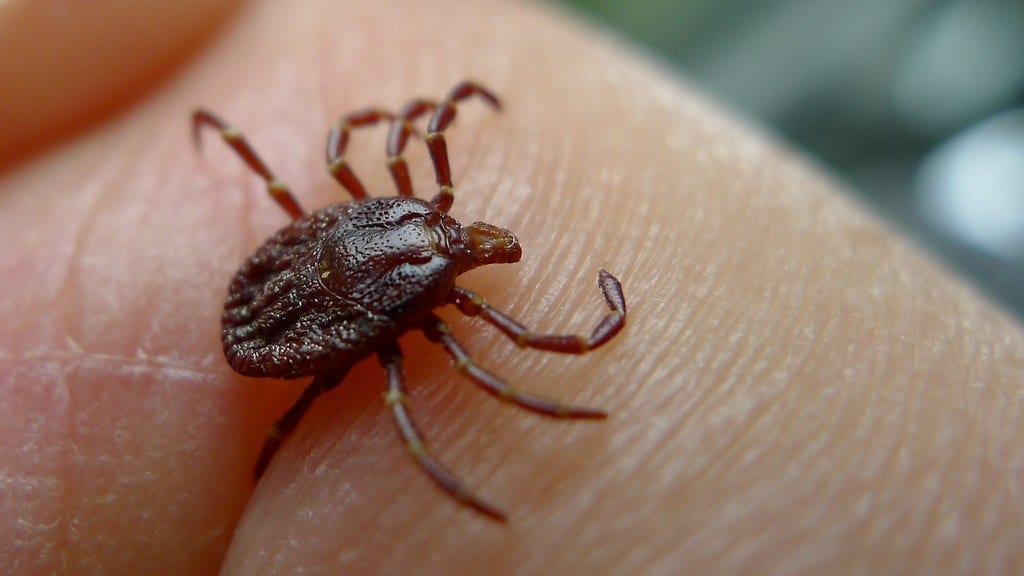
Georgia's National Centre for Disease Control and Public Health (NCDC) has warned that tick activity increases during warmer months, raising the risk of bites and related illness.
Health risks
Ticks can transmit several diseases, including Crimean-Congo hemorrhagic fever and Lyme disease. Officials say cases tend to rise when people spend more time outdoors in fields, forests, and grassy areas.
The NCDC advises treating the season as a period of heightened exposure rather than avoiding the countryside entirely.
How to reduce risk
Health authorities recommend using insect repellents on skin and clothing before walks or hikes. Avoid tall grass and dense woodland where possible, and wear long sleeves and trousers in high-risk areas.
After time outdoors, check your body, hair, and clothes carefully. Remove any attached tick promptly with tweezers, grasping it close to the skin and pulling steadily upward without twisting.
Seek medical help if you develop symptoms such as fever, rash, or unusual fatigue. Call 112 for severe reactions or emergencies.