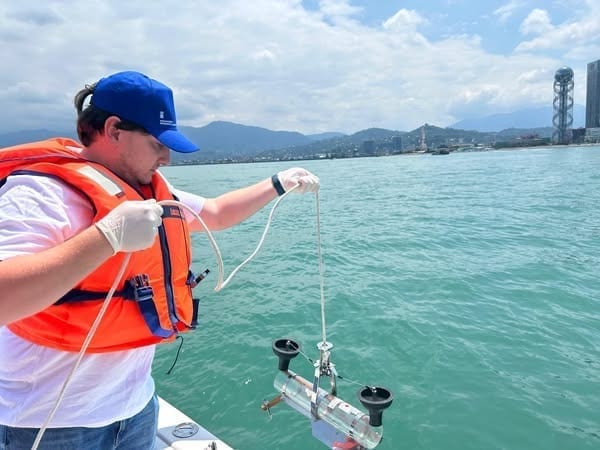
Media outlets, citing the National Environment Agency, report that laboratory results from recent Black Sea water sampling along Georgia's coastline are within permitted limits.
According to the cited data, samples taken from 14 coastal locations met standards for heavy metals, petroleum products and other contaminants. The agency's monitoring programme covers stretches of the Black Sea shore used by residents and tourists, including areas near Batumi and other coastal municipalities in Adjara and beyond.
What was tested
Official monitoring typically checks indicators linked to industrial runoff, shipping activity and seasonal tourism pressure on seaside areas. Heavy metals and oil-related compounds are among the parameters most closely watched because they can affect swimming safety and marine ecosystems.
The sampling cited in recent reports was carried out in early June, as coastal cities prepare for the summer season. Beach use rises sharply from late spring through autumn, when both local visitors and international travellers head to the Black Sea.
Ongoing monitoring
Agency officials quoted in media coverage say similar sampling will continue on a regular basis through the bathing season. Results are usually published after laboratory processing, allowing municipalities and the public to track whether coastal water quality remains within national norms.
For residents and visitors in Batumi, Kobuleti, Ureki and other seaside towns, the published figures are one reference point ahead of peak beach months. Authorities have not announced any restrictions linked to these particular test results.
Further updates are expected as additional rounds of coastal water testing are completed and released.