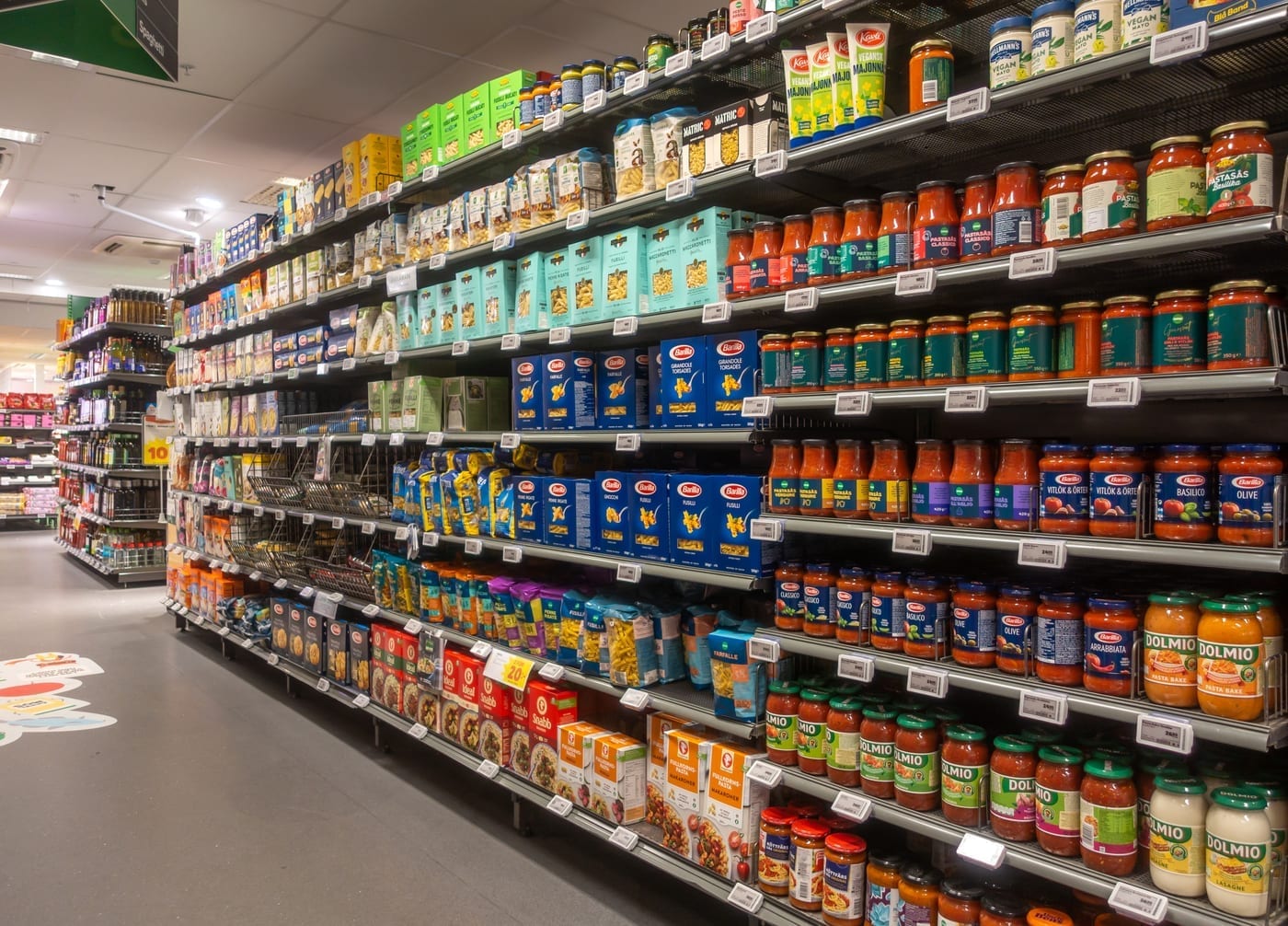
Georgia’s annual inflation rate reached 5.8% in June, while consumer prices rose 0.1% compared with May, according to data published by the National Statistics Office (Geostat) on 3 July.
The annual figure was driven mainly by higher prices in transport (16.5%), restaurants and hotels (8.4%), miscellaneous goods and services (7.3%), housing, water, electricity, gas and other fuels (7.2%), food and non-alcoholic beverages (5.6%), alcoholic beverages and tobacco (5.4%), and healthcare (4.7%). Communication prices fell by 6.4%.
Food prices
Within food-related categories, the steepest annual increases were for fish (20.4%), meat (9.8%), fruit and grapes (8.7%), bread and cereals (6.6%), sugar, jam, honey, chocolate and confectionery (5.5%), and oils and fats (5.5%). Coffee, tea and cocoa rose 4.2%; mineral waters, soft drinks and juices, milk, cheese and eggs each gained 1.8%; vegetables edged up 0.4%.
On a monthly basis, prices rose for fruit and grapes (3.3%), fish (1.5%), meat (0.5%), bread and cereals (0.1%), and soft drinks (0.1%). Milk, cheese and eggs fell 1.5%; sugar and confectionery declined 1.3%; vegetables dropped 1.1%; coffee, tea and cocoa slipped 0.7%.
Policy context
The figures follow the conclusion in May of a parliamentary commission that examined pricing in food, medicines and fuel. Its chair, MP Shota Berekashvili, said elevated prices are linked mainly to inefficient operational costs and called for targeted reforms rather than aggressive market intervention.
The European Commission’s latest economic forecast projects inflation will remain elevated in 2026 because of high energy prices. Fitch Ratings expects Georgian inflation to stay high in the near term before gradually easing toward the 3% target.