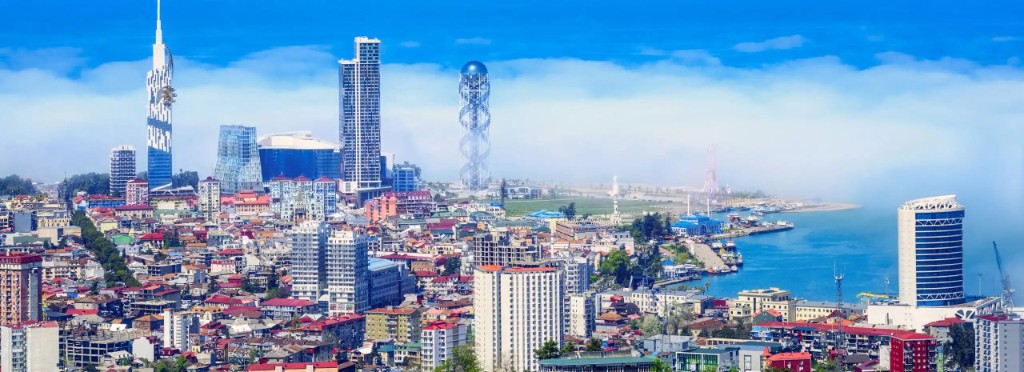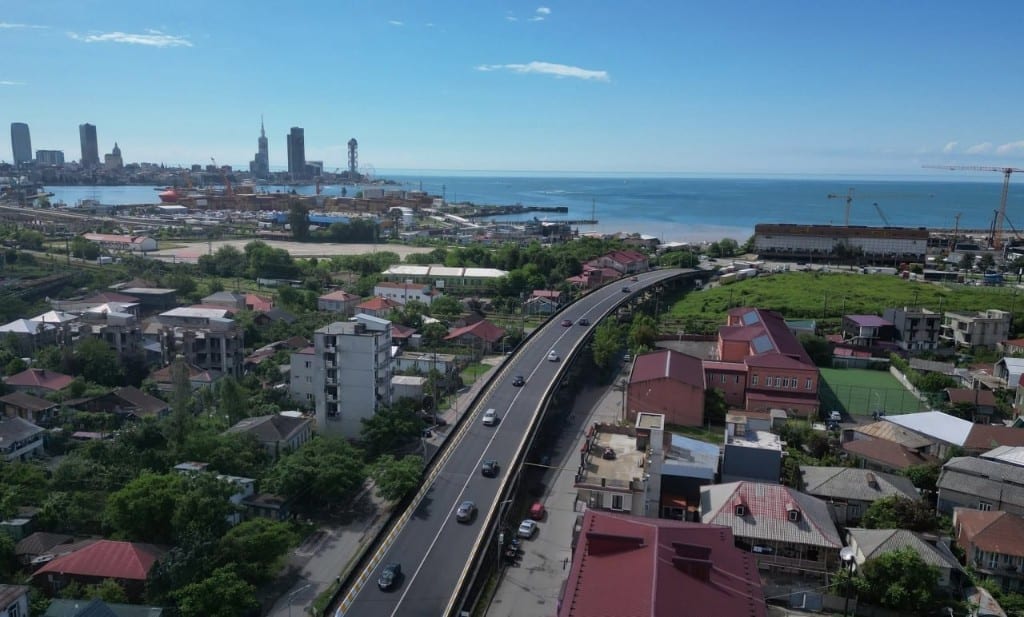
Batumi has reopened the bridge over the Bartskhana River after completing repairs to the road surface and applying new lane markings.
City officials said traffic is now fully open on the crossing. The work forms part of a broader programme of road upgrades under way across Batumi as the summer season brings heavier vehicle flows to the coast.
What was completed
The project covered resurfacing of the carriageway and repainting of lines to clarify lanes for drivers. Fresh asphalt and markings are intended to improve grip, visibility and predictable movement on a link that carries local traffic between residential districts and routes toward the centre and seafront.
Authorities have not published a full cost figure or contractor name in initial announcements. Repair timelines and night closures, if any were used during the works, were managed to limit disruption where possible; residents and commuters reported gradual reopening as marking and surface work finished.
The Bartskhana bridge sits on a corridor used daily by buses, taxis and private cars connecting neighbourhoods on the city’s inland side with arterial roads toward hotels, the port area and the boulevard. Even short closures on such spans can redirect traffic through narrower side streets, so full reopening restores normal patterns for school runs, deliveries and tourism transfers.
Wider road programme
Officials said road upgrades continue elsewhere in Batumi, without listing every location in the first release. Coastal cities often schedule surfacing and junction improvements before peak visitor months, when wear from heat, rain and volume increases.
Similar works elsewhere may involve lane narrowing during repairs, temporary speed limits and diversions signed in Georgian and, in tourist zones, sometimes English. Drivers should watch municipal social channels and on-site signage when planning routes to the airport, border crossings or central parking.
For expats and visitors, a reopened Bartskhana crossing reduces detours through residential back streets that lack pavements and can congest quickly. Ride-hailing and bus services that relied on the bridge resume direct paths; cyclists and pedestrians should still check whether footways were included in the repair scope, as bridge jobs sometimes focus on the carriageway first.
What to expect next
The city has framed the bridge works as complete for traffic purposes; any remaining touch-ups, guardrail painting or drainage checks may continue off-peak without full closure. Further announcements are expected as other upgrade sites progress through surfacing and marking stages.
Until a detailed map of all active road sites is published, motorists should assume intermittent single-lane running in other districts. Police and municipal inspectors typically monitor fresh surfaces for speeding while markings cure. Normal enforcement of parking and bus lanes returns once lines are fully dry and visible.